Enchanting Woodland Animal Clipart for Creative Projects
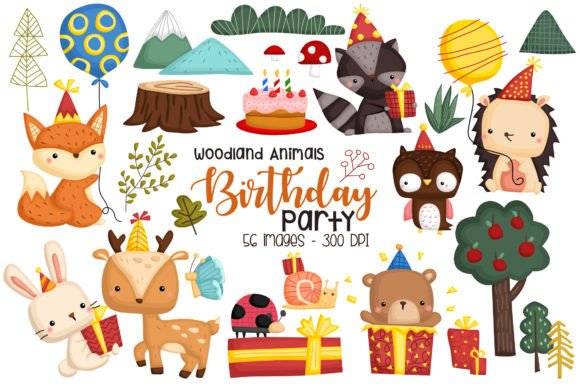
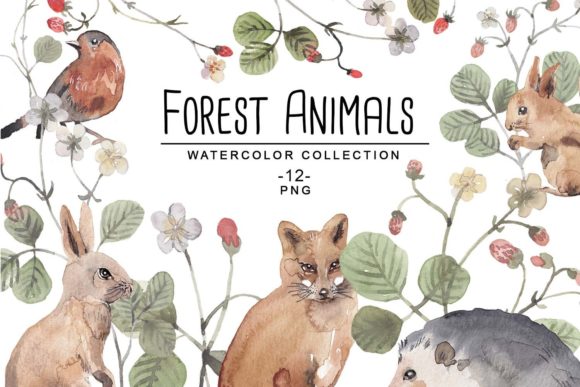
There's a reason woodland themes resonate so deeply in modern design. They evoke a sense of wonder, nostalgia, and organic beauty that feels both timeless and fresh. At the heart of this aesthetic lies a specific tool: woodland animal clipart. This particular set, featuring twelve watercolor illustrations of creatures like foxes, deer, and hedgehogs, isn't just a collection of images. It's a versatile design asset that can fundamentally shape a project's character, from a small business's brand identity to a blogger's visual storytelling.
More Than Just Cute Pictures: The Visual Language of Woodland Clipart
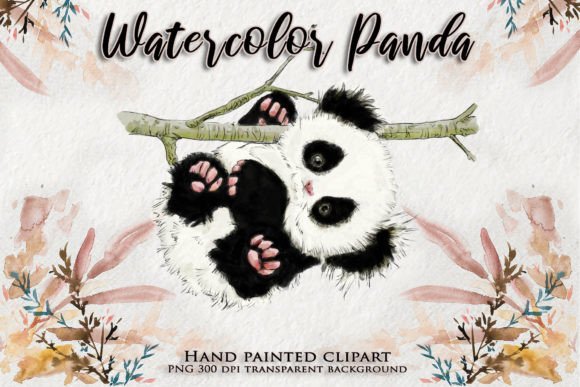
What defines this style of clipart? It's the deliberate blend of naturalism and artistic interpretation. The watercolor technique is key—it introduces soft edges, subtle color bleeds, and a textural quality that feels handcrafted and warm. This isn't the sterile perfection of vector art or the hyper-realism of photography. Each illustration, whether it's a watchful fox or a robin perched on a branch, carries personality through its brushstroke-like details and gentle color palettes.
This visual style communicates specific brand attributes without a single word. A woodland animal clipart set suggests qualities like:
- Authenticity and Craft: The hand-painted look implies care and artisanal quality, perfect for brands that want to feel genuine and approachable.
- Whimsy and Storytelling: These characters are inherently narrative. They invite the viewer into a story, making them ideal for children's products, fairy-tale branding, or any project needing a touch of magic.
- Organic and Eco-Conscious Values: The natural subject matter and earthy tones align seamlessly with businesses focused on sustainability, nature, wellness, or organic goods.
The appeal is broad yet specific. It's a creative font alternative for visual communication, offering a distinct personality that can anchor an entire brand identity.
Strategic Applications: Where This Clipart Truly Shines
Understanding where to deploy this design asset is crucial for maximizing its impact. Its strength lies in projects where emotion, story, and a handcrafted feel are paramount.
Building a Memorable Brand Identity
For entrepreneurs and small business owners, especially in sectors like boutique children's clothing, artisanal food products, eco-friendly goods, or specialty bookstores, this clipart can become the cornerstone of logo design and branding. A squirrel or bunny icon, when used consistently across packaging, social media, and stationery, creates instant recognition. It moves a brand from being just a name to being a character in its own story. This is far more engaging than a generic sans serif font alone. Pair a detailed woodland animal with a clean serif font or a complementary script font for a balanced, professional typeface system.
Elevating Editorial and Packaging Design
In editorial design, think beyond the obvious. These illustrations aren't just for decorating a children's book. They can add depth to a magazine feature on hiking, a blog post about mindfulness in nature, or a recipe page for a forest-themed dinner party. The transparent PNG backgrounds make them perfect for layering over textures or integrating seamlessly into layouts. Similarly, in packaging design, a deer illustration can transform a simple gift box or product label into something desirable, telling a story before the product is even used.
Creating Cohesive Digital and Print Experiences
The digital realm is where this clipart excels in driving audience engagement. Imagine social media graphics where each platform post features a different animal, creating a series that followers anticipate. For web design, these images can be used as custom icons, section dividers, or featured illustrations in a blog's sidebar, enhancing the user experience with unique modern typography and visual cues. The 300 DPI resolution ensures they remain crisp for high-quality print designs—think greeting cards, posters, planners, and wedding invitations.
A Practical Guide to Using Woodland Animal Clipart Effectively
Having a beautiful asset is one thing; using it skillfully is another. Here’s how to ensure these illustrations work hard for your project.
Evaluating Fit and Ensuring Cohesion
Before you start, ask: Does this woodland animal clipart align with my project's core message? The whimsical nature might clash with a corporate finance report but could be perfect for a financial advisor targeting young families. Test the illustrations alongside your chosen font pairing. A handwritten font might complement the casual feel, while a sturdy display font could ground it for a more serious application. The goal is visual harmony, not competition.
Technical Execution for Professional Results
Leverage the technical specs. The separate PNG files with transparent backgrounds are your best friends. They allow for effortless placement over any color or pattern without cumbersome editing. Use the 300 DPI resolution to your advantage for print projects—scale the images to the size you need without worrying about pixelation. When creating a logo design, consider tracing a simplified version of an animal for scalability, using the detailed clipart as a reference for style and proportion.
Respecting the Asset and Licensing
This is a premium font equivalent in the clipart world—it's a crafted commercial font for images. Always review the licensing terms carefully. Can you use it for client work? Can you incorporate it into end products for sale? Understanding this protects you legally and ensures you're using the asset as intended by its creator. Proper usage is a mark of professionalism, much like correctly implementing a modern typography system.
In essence, this woodland animal clipart set is more than a decorative toolkit. It's a strategic resource for injecting personality, warmth, and narrative into your visual communications. Used thoughtfully, it can help a brand tell a richer story, make a publication more engaging, and turn a simple craft project into a keepsake. The key is to match its inherent charm with intentional design, ensuring every fox, deer, and squirrel serves a clear purpose in your creative vision.