Unleashing the Charm: Designing with Cute Woodland Watercolor Animals
There’s a specific kind of magic in a hand-painted illustration that digital vectors sometimes struggle to replicate. It’s the warmth, the slight imperfections, and the organic flow of pigment on paper. When we talk about Cute Woodland Watercolor Animal graphics, we aren't just discussing a set of images; we are talking about a design asset that brings a narrative of innocence and nature to your projects. Whether you are a designer looking for a versatile element for a client’s nursery brand or an entrepreneur creating a new line of sublimation products, this high-resolution PNG asset is more than just a picture—it’s a storytelling tool.
The Anatomy of the Aesthetic
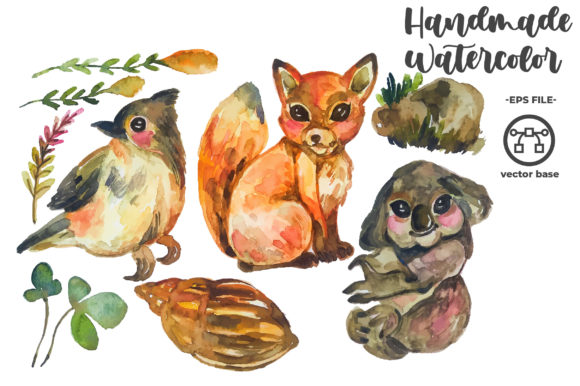
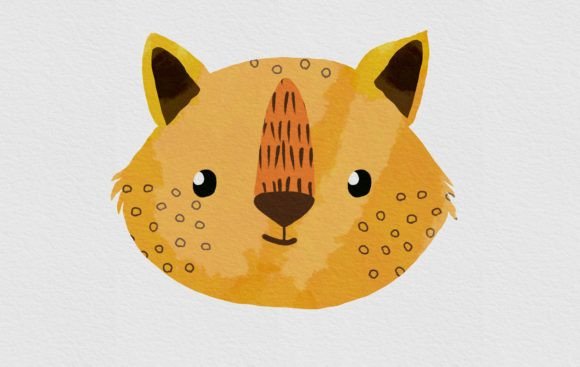
At its core, the Cute Woodland Watercolor Animal collection is defined by its distinct visual personality. Unlike flat vector illustrations, these assets utilize the translucent layering characteristic of traditional watercolor media. You’ll notice soft edges where the color bleeds gently into the white space, creating a dreamy, ethereal quality. The "cute" aspect isn't just about big eyes or round shapes; it’s achieved through a harmonious color palette—think muted pastels, earthy greens, and soft ochres—that evokes a sense of calm and friendliness.
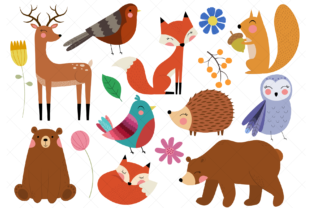
The style is versatile enough to bridge the gap between editorial design and packaging design. The transparency of the PNG file is crucial here. It allows the animals—be it a sleeping fox, a curious deer, or a whimsical bear—to sit atop textured backgrounds without that jarring white box effect. This integration capability makes the asset feel professional and polished, elevating the overall brand identity of whatever project it touches.
Strategic Applications for Modern Creators
For the marketer or small business owner, the utility of these graphics spans across the entire customer journey. In the digital realm, these illustrations are perfect for social media graphics. A watercolor bear can soften the hard edges of a promotional sale post, making the message feel more approachable. For bloggers and publishers, these assets serve as excellent spot illustrations in editorial design, breaking up long blocks of text and adding visual interest without distracting from the content.
However, where this style truly shines is in physical products. The resolution of the file is high enough to support large-format printing, making it ideal for sublimation products. Imagine a set of ceramic mugs featuring a watercolor rabbit, or a throw pillow that anchors a living room’s aesthetic. For crafters and hobbyists, the applications are endless: scrapbooking, custom greeting cards, and nursery wall art. The Cute Woodland Watercolor Animal aesthetic fits naturally into the "cottagecore" and nature-inspired trends that continue to dominate the market for T-shirts and tote bags.
Integrating Graphics into Brand Identity
Using a specific style of illustration is a powerful way to build brand identity. When a brand strategist selects the Cute Woodland Watercolor Animal style, they are signaling specific values to the audience: warmth, nature, gentleness, and creativity. This is particularly effective for brands targeting family demographics, eco-friendly products, or artisanal goods.
Consistency is key in branding. If you use this watercolor fox on your website header, consider using similar watercolor flourishes or botanical elements throughout your web design and print materials. This creates a cohesive ecosystem. It ensures that when a customer sees your packaging or your Instagram feed, they immediately recognize the visual language. It moves your brand from looking like a collection of disparate parts to a unified, professional entity.
Typography and Pairing: A Designer’s Perspective
A common pitfall when working with detailed illustrations is pairing them with the wrong typography. Because the Cute Woodland Watercolor Animal style is organic and somewhat complex, your text needs to provide a visual rest stop. Avoid overly decorative script fonts or handwritten fonts that might compete with the illustration's details. Instead, opt for a clean, modern sans serif font. A geometric sans serif with plenty of whitespace will let the illustration breathe.
Conversely, if you are going for a more traditional or storybook feel, a sturdy serif font can work well, provided the weight is heavy enough to stand out against the soft textures of the watercolor. The goal is visual hierarchy. The illustration draws the eye, and the typography delivers the message. If they fight for attention, the design fails. Treat the watercolor asset as the hero element and use typography to support it, not overshadow it.
Practical Considerations for Production
Before finalizing a design, it is essential to evaluate the technical fit of the asset. The fact that this is a high-resolution PNG with a transparent background is a massive advantage for web design and print-on-demand services. However, you should always test how the image renders on different substrates.
For dark backgrounds, watercolor art can sometimes lose its definition. You may need to adjust the contrast or add a subtle drop shadow to ensure the details of the animal remain visible. For light or textured backgrounds (like linen or kraft paper), the transparency allows the texture to show through the lighter washes of the watercolor, which adds to the realism and charm.
Regarding licensing, always ensure that the design assets you purchase are cleared for commercial use if you intend to sell the final product. Whether it’s a sticker pack or a commissioned piece of wall art, understanding the rights associated with the Cute Woodland Watercolor Animal file protects your business and your work. This isn't just about legality; it's about ethical design practice and respecting the source material.
Ultimately, incorporating these illustrations into your work is about connecting with your audience on an emotional level. The softness of the medium and the relatability of the subjects create an instant bond. For the content creator or designer, having a versatile, high-quality set of these assets in your toolkit is not just about aesthetics—it’s about having the capability to tell a softer, more human story in a digital world.