The Treehopper Animal: A Designer's Guide to This Unique Illustration
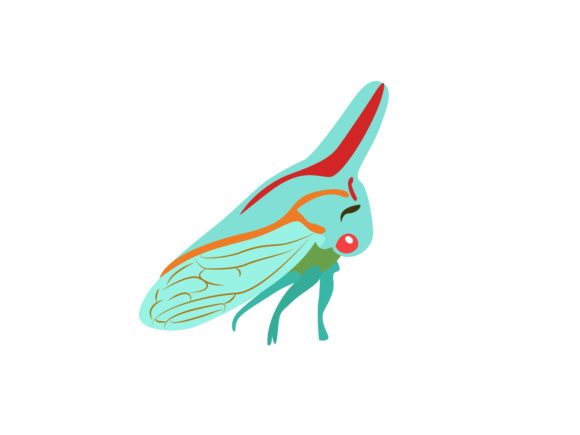
You've probably seen some weird and wonderful creatures in the insect world, but few are as visually striking as the Treehopper Animal. At first glance, you might mistake its elaborate, helmet-like pronotum for a thorn, a drop of sap, or even a piece of miniature modern sculpture. This isn't your average bug. It's a masterclass in natural design, and for creative professionals, it's an untapped source of inspiration. We're not just talking about a nature study here; we're talking about a versatile design asset that can bring a unique, organic edge to your projects.
Forget the generic stock imagery. The Treehopper Animal offers a blend of the bizarre and the beautiful. Its form is a complex interplay of hard, geometric lines on its "helmet" and the soft, segmented body beneath. This duality makes it incredibly compelling. It can feel futuristic and alien, yet it's entirely a product of the natural world. This inherent tension is what makes it such a powerful visual element. For a designer or a small business owner looking to stand out, incorporating a Treehopper Animal illustration isn't just a choice; it's a statement. It says you appreciate detail, you value the unconventional, and you aren't afraid to let nature's more peculiar side inform your brand identity.
More Than a Bug: Unlocking the Design Potential of the Treehopper
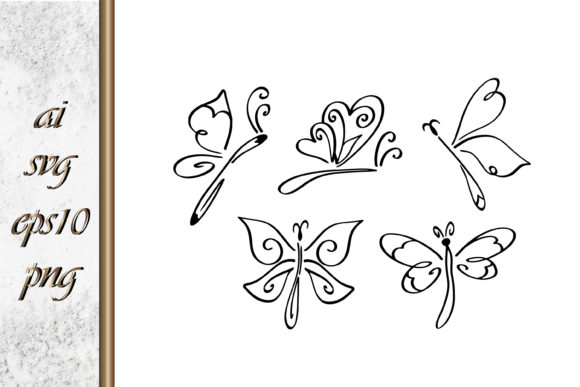
So, how do you translate a strange insect into a commercial asset? The key lies in its visual language. A well-crafted Treehopper Animal illustration, like the one available in AI, EPS 10, JPG, and PNG file formats, is built for flexibility. The vector files (AI, EPS) are your workhorses. They allow you to scale the illustration to the size of a billboard or a favicon without losing a single crisp line. The high-resolution raster files (JPG, PNG) are perfect for digital applications and quick mockups.
Think about its applications. For a craft brewery or a sustainable packaging company, a stylized Treehopper Animal could become a memorable logo mark. It’s organic, intricate, and tells a story of craftsmanship and attention to detail. For editorial design, it can serve as a captivating spot illustration in a magazine or blog post about biodiversity, innovation, or even surrealism. Its form is so unusual that it naturally draws the eye, making it perfect for breaking up text-heavy layouts.
Here are a few practical ways to use this asset:
- DIY Printing & Education: Use the high-quality PNG for creating educational materials, posters, or flashcards that are both beautiful and informative. Its detailed anatomy is perfect for sparking curiosity.
- Apparel & Stickers: The Treehopper Animal is an ideal candidate for T-shirt printing and sticker sheets. Its bold silhouette pops on any surface. Imagine a minimalist line-art version on a tote bag or a full-color, detailed illustration on a laptop sticker.
- Digital Branding: Use it as a unique icon for a website, a social media avatar, or a recurring motif in your social media graphics. It’s far more memorable than a generic icon set.
- Pattern Design: Create a seamless pattern for textiles, stationery, or website backgrounds. Repeating the Treehopper Animal at different scales and angles can produce a sophisticated, nature-inspired pattern that feels both modern and timeless.
Making the Treehopper Work for Your Brand's Identity
Integrating an element as distinct as the Treehopper Animal requires a thoughtful approach. You can't just slap it on a project and hope for the best. Its power lies in strategic application. The goal is to enhance your project's visual hierarchy and brand perception, not to overwhelm it.
Consider its personality. Does your brand align with themes of resilience, adaptability, and hidden complexity? The Treehopper is an insect that survives by blending in, but its form is anything but plain. This makes it a fantastic metaphor for brands that offer sophisticated solutions or have a surprising depth beneath a simple exterior. A tech startup focused on elegant, complex code could use a geometric interpretation. An artisan coffee roaster could use a detailed illustration to signify their meticulous process.
When using the illustration, think about readability and context. If you're placing it near text, ensure there's enough visual breathing room. Its intricate details can compete with small body copy. It often works best as a standalone hero image, a logo element, or an accent mark. For web design, a simplified, single-color version might work better as an icon, while the full-color version could be a stunning hero image for a landing page.
Finally, think about font pairing. The organic, slightly alien nature of the Treehopper Animal illustration pairs surprisingly well with clean, sans serif fonts. The contrast between the biological complexity and the geometric simplicity of a typeface like Helvetica or Proxima Nova creates a balanced, professional look. For a more dramatic effect, pair it with a serif font that has a strong, defined character to create a sense of established authority mixed with natural wonder.
Practical Steps for Implementation
Ready to get started? First, evaluate the provided files. The EPS 10 vector file is your most valuable resource. Open it in a vector editor like Adobe Illustrator. Here, you can easily change colors to match your brand identity, isolate parts of the insect, or combine it with other design assets. You can remove the background in the PNG file for a clean overlay, or use the JPG for a quick social media post.
Next, test it in context. Don't just admire the illustration in isolation. Place it on your business card mockup, your website header, or your T-shirt design template. How does it interact with your other elements? Does it enhance the overall message or distract from it? This testing phase is crucial for any creative font or illustration integration.
Remember, this is a premium font-style asset—its value is in its quality and versatility. Treat it with the same respect you would a high-end typeface. A display font demands attention, and so does this illustration. Use it to make a statement, to tell a story, or to simply add a layer of visual intrigue that your competitors lack. The Treehopper Animal is more than just an image; it's a tool for creating a more engaging, thoughtful, and memorable visual world for your audience.